Be yourself; Everyone else is already taken.
— Oscar Wilde.
This is the first post on my new blog. I’m just getting this new blog going, so stay tuned for more. Subscribe below to get notified when I post new updates.
Be yourself; Everyone else is already taken.
— Oscar Wilde.
This is the first post on my new blog. I’m just getting this new blog going, so stay tuned for more. Subscribe below to get notified when I post new updates.
Questions
It’s nice to have the freedom to transform peoples work into a creation of your own, with given credibilities. You can remix, sample bits and add extensions with free will if provided legal access. A fear would be accused to theft and profit use on a non-profit licensed creation of someones previous work.
I believe copyrights should be modified slightly as in lowering cost to any priced creation. It provides more opportunities for people to experiment and sandbox their creations, as well as decrease chances of illegal copyright.
I chose CC0 because it is open to the public with no regulations necessary.
Using audacity was interestingly fun by being able to push samples together into a singular piece of work, the only challenged I encountered was not being able to precisely cut off bits of additional sound in my samplings, giving it the slightest offbeat. Overall I am satisfied with my result.
Micol Hebron
Micol Hebron introduces herself as an interdisciplinary artist, consisting of works in studios, crowd-surfing, writing, teaching and individual or collaborative projects. Hebrons birth of artistic projects started year 1992 in Los Angeles, California. Since then, she founded conventions to portray her creativity; The Situation Room; The Tally Poster Project; The Digital/Pasty Gender Equity; LA Art Girls; and Co-found Fontbron Academy. Hebron has also served advisory boards and curated in the past, within multiple museums, universities and institutions. Her goal throughout this art is to support and further feminist dialogues within art and reality.
Most of Hebrons work can be seen throughout social media, video, digital media and other internet platforms. Hebron wants her art to question and explore themes, such as gender equality, freedom of speech, contemporary feminism, data visualizations and relationships between body, mind and knowledge. Her artwork also seeks alternative histories and futures for female artists. How her art can be portrayed is through physicality, as she describes as past and current artworks to be part of her or other peoples bodies, in attempt to construct identity through roles and images of the female body in the wake of second wave feminism
I couldn’t find any similarities within her work and myself, given most of it is in support of feminism. This is respected, as women should have equal rights as men, such as enforcement support, politically, sports wise, etc. An example of her feministic support can be demonstrated through a popular controversy, abortion, given how it is the right of a women to do what she wants with her body, and opposition to that right consists more of men, who couldn’t understand the process of pregnancy.
Questions
Looking back on the documentary of Aaron Swartz, it shows how the government wanted to prove a point by unfairly treated Swartz, stripping his freedom and proving absolute injustice, over basically Swartz wanting to publicize scholarly articles for all to see for free? It was unclear to why they treated him so badly. What makes the documentary insightful was how it portrayed Swartz’s potential of attempting to bring equality and overall a better society. It brings up questions of our system, one being why is educational information restricted for those only who can afford it? Where do civil liberties come to an end when it comes to the WWW? Basically, who owns information on the Internet? Overall, the documentary shows the confines of the Internet regarding civil liberties and morality, thus resulting in a fascinating but frustrating documentary.
I wouldn’t say this will necessarily impact my life, at least currently. If so I would say it does invade some rights of freedom, being how their is a shadow of control of almost everything viewed on the Internet.
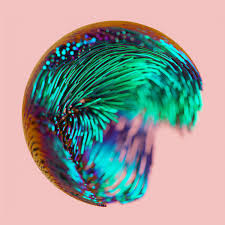
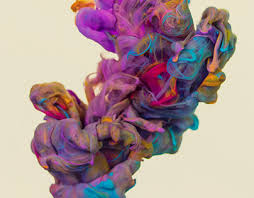
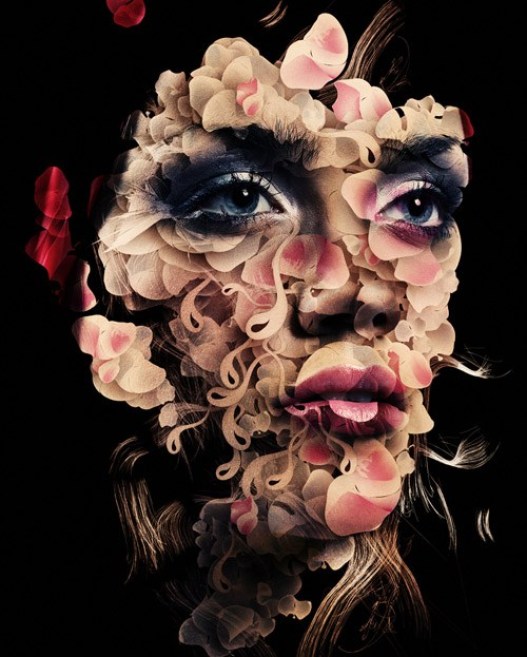
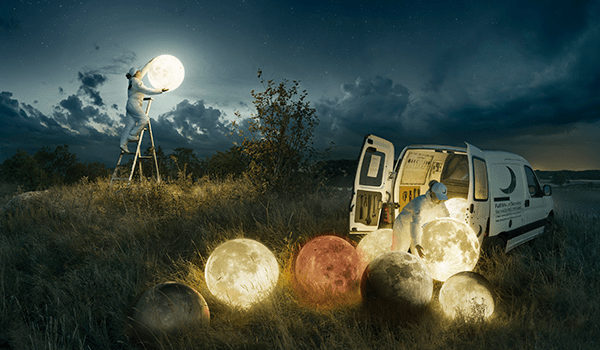
I couldn’t find any virtual world artists I was satisfied with on representing in this project. Instead I decided to find some virtual artists that create art technologically. The definition of this virtual art gallery with the presented artists is all wrapped around satisfactory. Each artist represents a different version or meaning of satisfactory and surrealism , thus being the shapes, colors, objects and meanings given in each image that lead up the observer feeling comfortable, calm, relaxed, etc. It can also refer to multiple meanings, not really confirmed to be only one meeting but it can be defined as how the observer wants to view it.
David Mcleod
David McLeod is an Australian artist & designer. Creating still and moving image, David’s work is driven by a curiosity for exploring new visual territories. He was collaborated with various companies such as Apple, Nike, Toyota, Mastercard and other various brands that tend to portray artistic qualities.


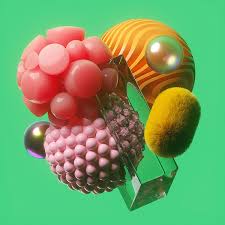
Alberto Serveso
Illustrator & Digital Photographer Alberto Seveso was born in Milan, he grow up in Sardinia but is now working and living in Bristol (UK) as a freelancer. His passion for graphic art started when he was in a young age and he was really fascinated by the graphic of skate decks and the cover of music CD of metal bands in the early ‘90s. From this passion he started to create his artworks. He has collaborated with companies such as Adobe, National Geographic, GQ Magazine, ESPN, Playboy, etc.


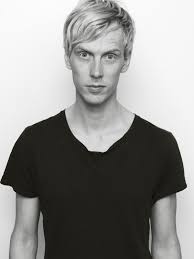
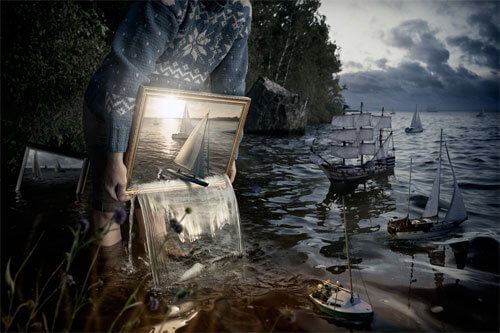
Erik Johansson
Erik Johansson is a Swedish-born artist based in Prague who creates surreal images by recombining photographs and other materials. He captures ideas by combining images in new ways to create what looks like a real photograph, yet with logical inconsistencies to impart an effect of surrealism. He has collaborated with companies such as Toyota, Volvo, Adobe, Google, Microsoft, etc.

Vlog : My Quarantine Breakfast
Questions:
Mahsa Soroudi, an artist and independent art curator born in the metropolitan area of Iran, Tehran, in 1981. In 2006, Soroudi enrolled into the Azad Art and Architecture University, pursing a BFA in Visual Communications. Soroudi’s interests surround interdisciplinary topics that can exist beyond a exhibit, which in her provided example from the video, is ornamental plants (the succulents). Her purpose of her art is to compare the plant conditions and adaption to current conditions that are occurring for foreigners and foreign countries. Other works of art are collaborated with Iranian women, to portray recognition on the living conditions and work they face in order to find stability in a foreign country.
Soroudi has 2 major art projects, named “Natures Cadence” and “7500 Miles.” Natures Cadence represents how ornamental plants have similarities to foreign people, such as adapting to given conditions in an environment, displacement and resettlement. Soroudi said she was like her plant because she didn’t believe the possibility of settling in the U.S, but her plants taught her remain beautiful and strong while trying to officially settle down, such as how a plant does in a pot with roots. She would experiment with the plants, planting them under different conditions and recording the solution of appearance after. This purpose of art can be directed upon anyone, having to adapt to conditions and continue to push forward towards your achievements.
The second project, 7500 Miles, represents various Iranian women who demonstrate things beyond the anticipated norm, being women’s inspirations, confusions, intimate moments and frustrations, beyond being mothers, wives and daughters. In other words, it shows the inside of Iranian women lives than what we would perceive it to be. The art contains various amounts of vivid colors, abstraction and realism.

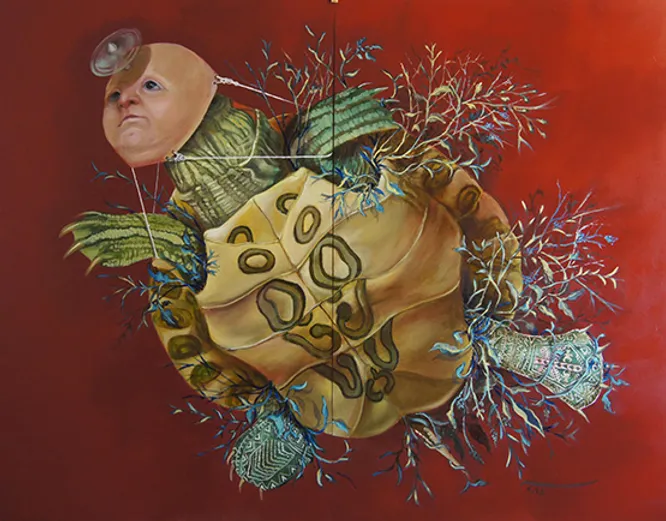
Observing Soroudi’s artwork, I can heavily relate with her idea of how people can be like ornamental plants, especially in recent years. Having to move and live independently in Long Beach, I discovered certain struggles that had to overcome through time, finding ways to strategize for myself financially, academically and establishing trust with right connections. I felt weak, tired and desperate at first trying to find a immediate solution to my problems, but then began to adapt and slowly gratify towards progression, such as how a plant adapts to the conditions its given and still thrives.
Working with your brain
Human Spirograph

Final result

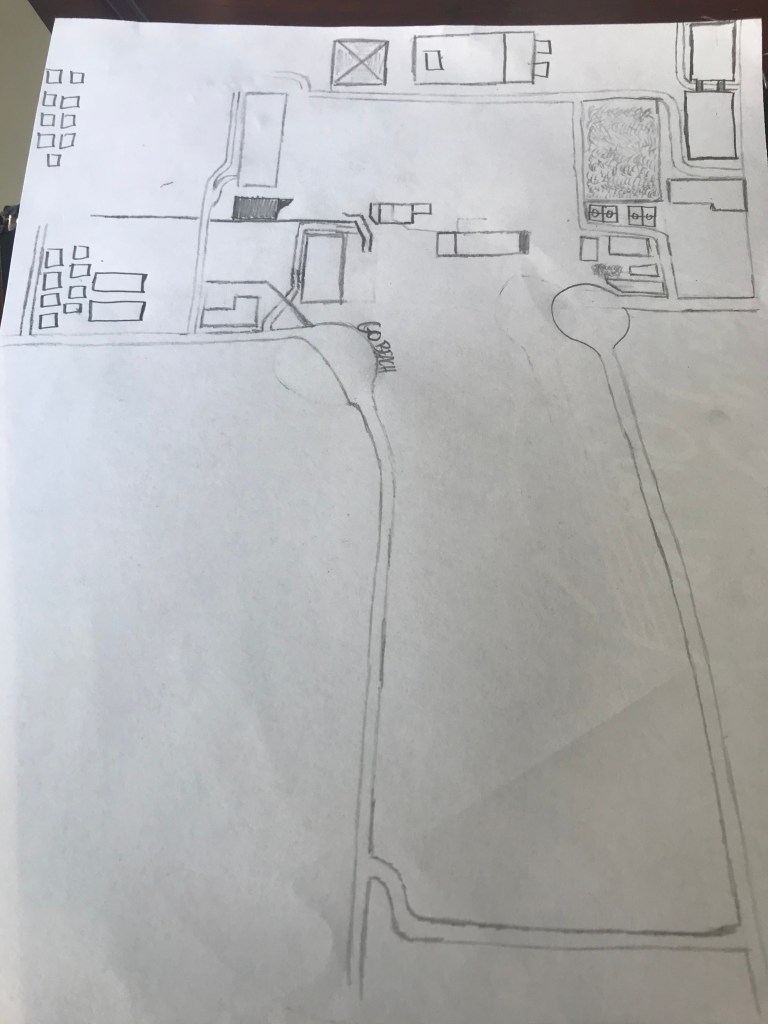
Map of Campus
Finished product

Writing


 Ryan Conovers Art 110 Blog